In today’s theatres and performance venues, stage lift systems play a crucial role in delivering dynamic, immersive productions. From dramatic scene transitions to smooth performer elevations, these advanced mechanisms bring flexibility and creativity to the stage. When designed and installed correctly, they not only improve performance quality but also enhance safety and operational efficiency.
In this article, we’ll explore how stage lifts work, their benefits, types, and why investing in quality solutions is essential for any modern venue.

What Are Stage Lift Systems?
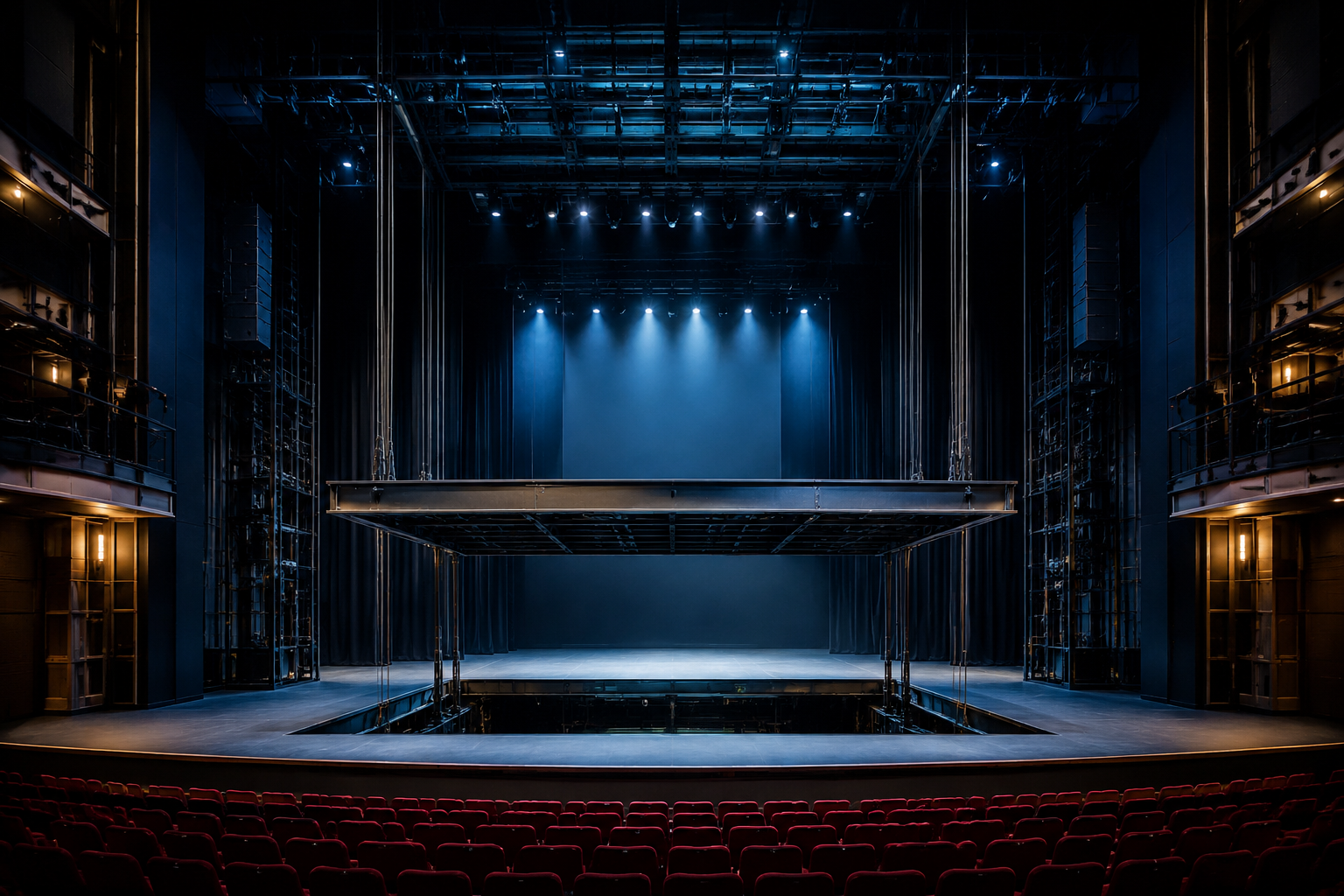
Stage lift systems are mechanical or hydraulic platforms installed beneath or within a stage to move performers, sets, or equipment vertically. They are an essential part of professional Theatrical Equipment, enabling seamless scene changes and special effects without interrupting the audience’s experience.
These systems are commonly used in:
Theatres
Opera houses
Concert halls
School auditoriums
Multi-purpose event venues
Why Stage Lift Systems Are Important in Modern Theatres
1. Smooth Scene Transitions
Stage lifts allow sets and props to move quietly and efficiently, reducing downtime between scenes. This ensures productions flow naturally without distracting pauses.
2. Creative Flexibility
Directors and designers can experiment with multi-level staging, hidden entrances, and dramatic reveals. With advanced lifting solutions, creative possibilities expand significantly.
3. Enhanced Safety
Modern systems are engineered with built-in safety controls, emergency stop functions, and load monitoring features to protect performers and crew.
4. Efficient Space Utilisation
By integrating lifts beneath the stage floor, venues can maximize usable space while maintaining a clean and professional appearance.
Types of Stage Lift Systems
Choosing the right lift depends on the venue’s size, production requirements, and budget. Below are the most common types:
Hydraulic Stage Lifts
Hydraulic systems use fluid pressure to raise and lower platforms. They are known for their smooth motion and high load capacity, making them suitable for heavy scenery and large productions.
Screw Drive Lifts
These lifts operate using mechanical screw mechanisms. They provide precise control and are ideal for medium-sized venues.
Chain or Cable-Driven Lifts
Common in performance venues that require synchronized movement, these systems are reliable and adaptable.
Each type must integrate seamlessly with other Theatrical Equipment such as lighting rigs, stage machinery, and control systems for optimal performance.
Key Features to Look For
When selecting stage lift systems, consider the following:
Load Capacity: Ensure the lift can handle performers, sets, and additional equipment.
Speed and Control: Variable speed controls allow for smooth transitions.
Safety Mechanisms: Anti-slip surfaces, emergency stops, and locking systems are essential.
Noise Levels: Quiet operation prevents disruption during performances.
Integration Capabilities: Compatibility with lighting, rigging, and automation systems.
A well-designed system will support both technical performance and artistic expression.
Maintenance and Long-Term Performance
Like all mechanical systems, stage lifts require routine inspection and maintenance. Regular servicing ensures:
Smooth and consistent operation
Reduced risk of mechanical failure
Extended lifespan of components
Continued compliance with safety guidelines
Installation Theatrical Engineering provides ongoing support and maintenance services to keep performance spaces running at their best.
Final Thoughts
Investing in high-quality stage lift systems is essential for any venue aiming to deliver impactful performances. When integrated with reliable Theatrical Equipment, these systems enhance creativity, safety, and operational efficiency.
Whether upgrading an existing venue or building a new performance space, choosing expert design and installation ensures your stage is ready to meet modern production demands.




Write a comment ...