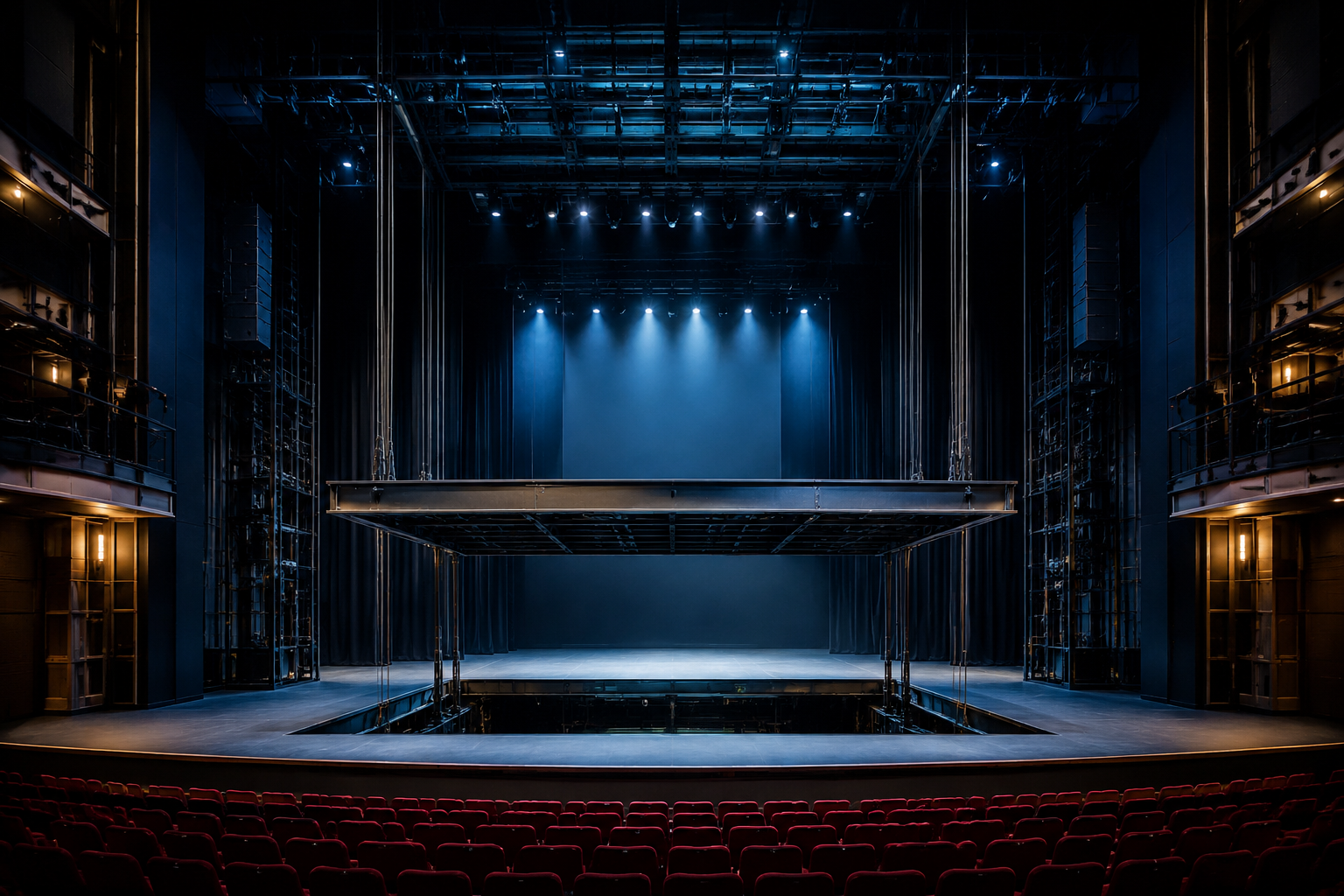
In today’s performance spaces, precision, safety, and efficiency are non-negotiable. Whether it’s a small auditorium or a large-scale production venue, theatre hoist systems play a vital role in ensuring smooth stage operations. From lifting lighting rigs to moving scenery seamlessly, these systems are the backbone of modern stage engineering.
This guide breaks down the different types of theatre hoist systems available, helping you understand which solution best fits your performance needs.

Understanding Theatre Hoist Systems
At their core, theatre hoist systems are designed to lift, lower, and position stage equipment with accuracy. They are used for handling curtains, lighting bars, speakers, and set pieces. The right system not only enhances performance quality but also ensures safety for both crew and performers.
1. Manual Hoist Systems
Manual hoists are the most basic type and are operated by hand. These systems are typically found in smaller venues or spaces with limited technical requirements.
Key Features:
Cost-effective solution
Simple design and easy maintenance
Suitable for lighter loads
Limitations:
Requires physical effort
Less precise compared to automated systems
Manual systems are ideal for community theatres or schools where budgets are tight and production complexity is low.
2. Electric Chain Hoist Systems
Electric chain hoists are among the most commonly used solutions in professional theatres. These systems use powered motors to lift heavy equipment with minimal manual effort.
A Stage Maker Chain Hoist is a widely trusted option in this category, known for its durability and ability to handle demanding stage environments.
Benefits:
High load capacity
Smooth and controlled lifting
Reduced manual labor
Reliable performance during live shows
These hoists are perfect for venues that require frequent setup changes and dependable operation.
3. Wire Rope Hoist Systems
Wire rope hoists use steel cables instead of chains, making them suitable for lifting heavier loads over longer vertical distances.

Why Choose Wire Rope Hoists?
Ideal for large-scale theatres and auditoriums
Greater lifting height capability
Enhanced strength and stability
They are commonly used in venues with complex rigging requirements and heavy stage elements.
4. Entertainment Hoist Systems
Designed specifically for the entertainment industry, these hoists prioritize quiet operation, precision, and safety. An Entertainment Chain Hoist is built to meet strict industry standards, ensuring smooth and silent performance during live events.
Key Advantages:
Low noise operation (essential for live performances)
Advanced safety mechanisms
Designed for dynamic stage movements
These systems are widely used in concerts, theatres, and broadcast studios where performance quality cannot be compromised.
5. Automated Hoist Systems
Automation has transformed stage engineering, and automated hoist systems represent the future of theatre technology. These systems are controlled via software, allowing synchronized movement of multiple hoists.
Features:
Programmable controls
High precision and repeatability
Integration with lighting and sound systems
Best For:
Large productions
Complex сценe transitions
High-end performance venues
Automation reduces human error and enhances overall production value.
6. Fixed Speed vs Variable Speed Hoists
Another important classification of theatre hoist systems is based on speed control.
Fixed Speed Hoists:
Operate at a constant speed
Suitable for simple lifting tasks
More affordable
Variable Speed Hoists:
Allow adjustable speed control
Provide smoother and more precise movements
Ideal for professional productions
Variable speed systems are particularly useful when timing and synchronization are critical.
Choosing the Right Theatre Hoist System
Selecting the right hoist system depends on several factors:
1. Load Requirements
Consider the weight of equipment you need to lift. Heavy сценe elements require more robust systems like electric or wire rope hoists.
2. Venue Size
Larger venues often need automated or wire rope systems, while smaller spaces can function well with manual or basic electric hoists.
3. Frequency of Use
If your venue hosts frequent events, investing in durable and automated solutions will save time and maintenance costs.
4. Safety Standards
Always prioritize systems with built-in safety features such as overload protection, emergency stops, and secure braking mechanisms.
Why Quality Installation Matters
Even the best hoist system will underperform without proper installation and integration. This is where experienced providers like Installation Theatrical Engineering make a difference. With expertise in designing and installing advanced stage systems, they ensure every component works seamlessly together.
From planning to execution, Installation Theatrical Engineering focuses on delivering safe, efficient, and high-performance solutions tailored to each venue’s needs.
Final Thoughts
The right theatre hoist system can transform how a stage operates, making productions smoother, safer, and more visually impressive. Whether you choose a manual setup or a fully automated system, understanding your requirements is key to making the right investment.
As stage technology continues to evolve, modern hoist systems especially solutions like the Stage Maker Chain Hoist and Entertainment Chain Hoist are setting new standards in performance and reliability.
If you’re planning to upgrade or install a new system, focusing on quality, safety, and expert installation will ensure long-term success for your venue.




Write a comment ...